The Future of Water Recreation: Why PVC Inflatable Water Amusement Products Are Taking Over the Industry
Blog Summary: The global water amusement industry is shifting from heavy, costly, permanent structures to lightweight, portable, and highly profitable PVC inflatable solutions. From floating inflatable water parks (obstacle courses) and towable tubes to floating cabanas, paddle boards, and water sports courts, this article explores the booming commercial prospects of these products and their key advantages over traditional alternatives—lower costs, faster setup, superior safety, and higher customer appeal.
---
A Rising Tide in the Water Amusement Industry
The way people enjoy water recreation has changed dramatically over the past decade. Traditional watercraft like fiberglass boats, rigid paddle boards, and fixed wooden docks are no longer the only options. Today, PVC inflatable water products—from massive floating inflatable water parks (water obstacle courses) to inflatable towable tubes, floating cabanas, inflatable paddle boards, and water inflatable sports courts—are reshaping the commercial water leisure landscape.
For entrepreneurs, resort owners, lakefront operators, and event organizers, these products represent a high-growth, low-barrier entry into a multi-million dollar industry. This blog explores the commercial prospects of inflatable water amusement and details how each product outperforms traditional alternatives in safety, cost, portability, and customer experience.
---
Commercial Prospects of the Inflatable Water Amusement Industry
Explosive Market Growth
The global inflatable water park market is projected to grow at a CAGR of over 12% through 2030. Factors driving this growth include:
- Rising demand for outdoor recreational activities post-pandemic
- Increased tourism and staycations at lakes, beaches, and resorts
- Social media virality – floating obstacle courses are Instagram and TikTok gold
- Low entry cost compared to building permanent waterparks or marinas
Lucrative Business Models
Operators can deploy inflatable products in multiple revenue-generating ways:
| Business Model | Application |
|----------------|--------------|
| Hourly ticketing | Floating obstacle courses & sports courts |
| Rentals | Paddle boards, towable tubes, cabanas |
| Events & parties | Private bookings, corporate team building |
| Resorts & hotels | Guest amenities (free or paid) |
Why PVC Inflatable Products Are a Smarter Investment
Compared to traditional water attractions (fixed docks, concrete pools, fiberglass boats), PVC inflatable systems offer:
- 80% lower upfront cost
- 90% faster installation (hours vs. months)
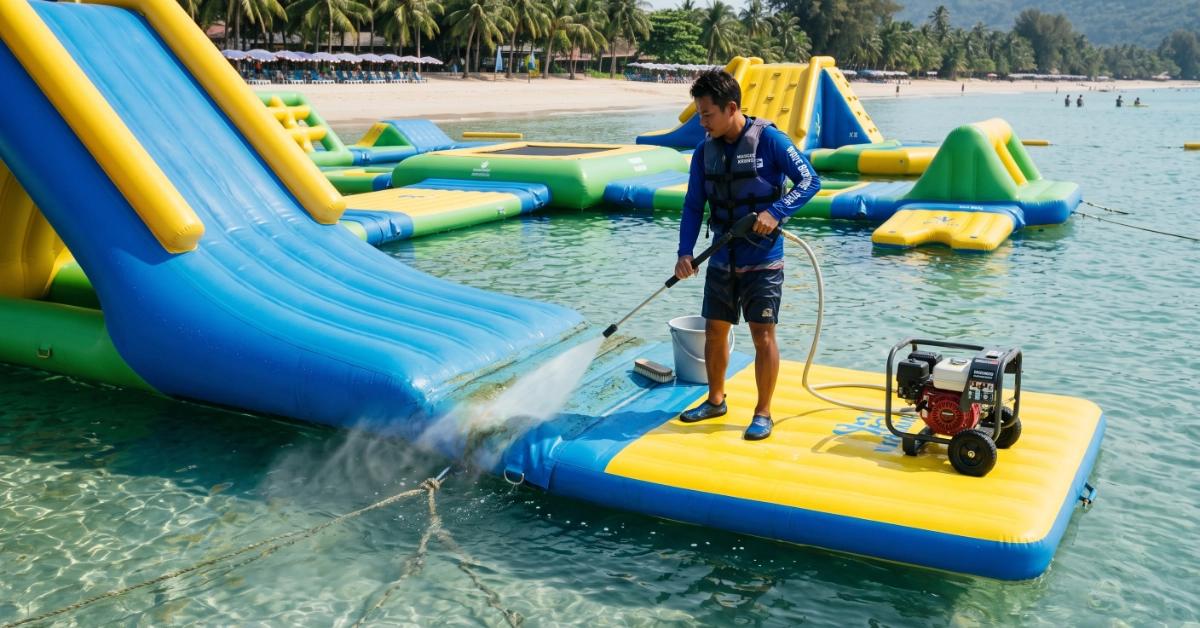
- Minimal maintenance – no rust, rot, or painting
- Seasonal flexibility – deflate and store off-season
- Portability – relocate to different lakes or events
---
Product-by-Product Comparison: Inflatable vs. Traditional
Let’s examine each key product category and its advantages over conventional alternatives.
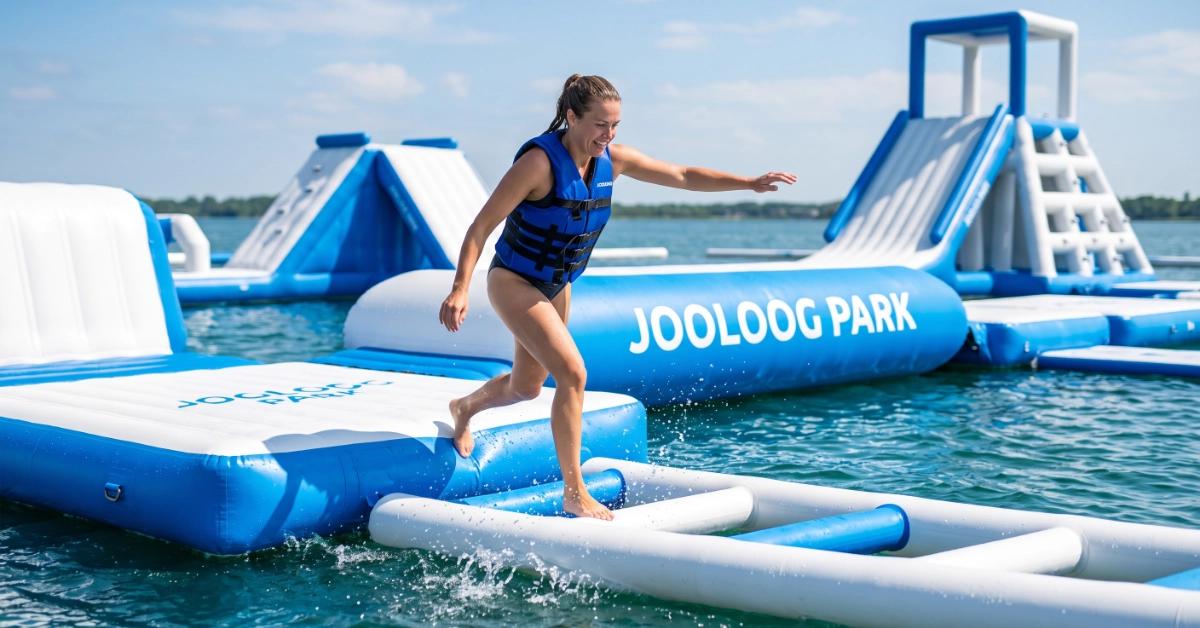
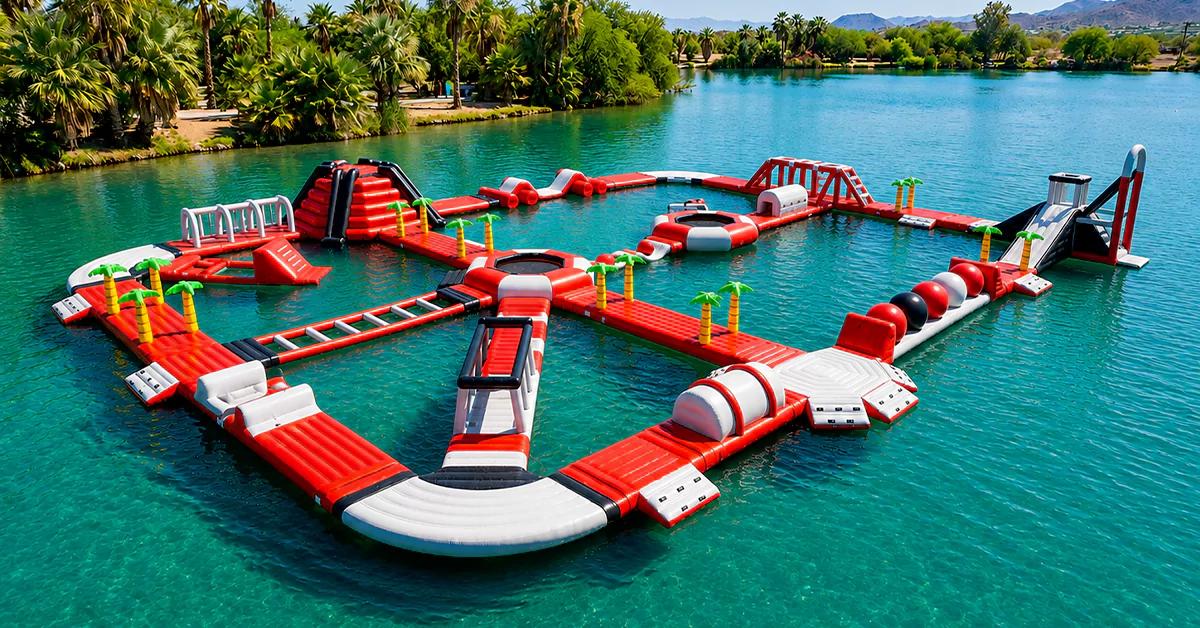
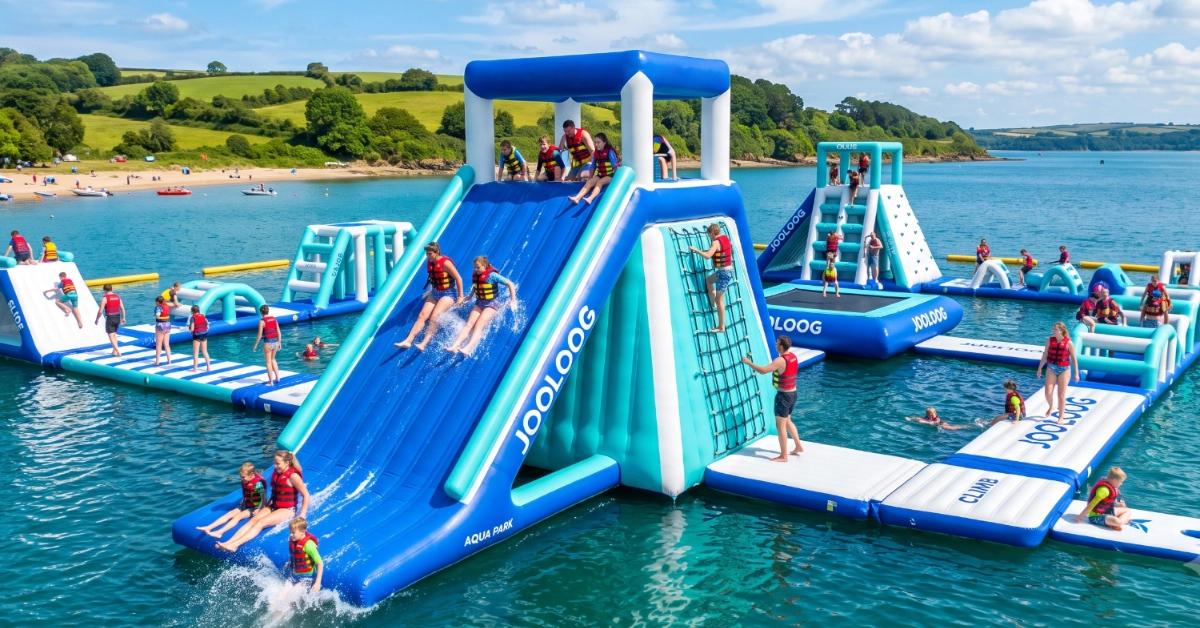
1. Floating Inflatable Water Park (Water Obstacle Course)
Traditional competitors: Fixed floating docks with wooden obstacles, concrete pool obstacle courses, or rope swings.
Inflatable advantages:
- Modular design – Connect slides, climbing walls, trampolines, and balance beams into custom layouts. Change configuration weekly to keep repeat visitors excited.
- Safety-first – Soft, air-filled PVC reduces impact injuries. No hard edges, splinters, or metal bolts.
- Quick deployment – A 5,000 sq. ft. park inflates in under 2 hours using electric blowers. Traditional fixed structures take weeks.
- Low staffing – One or two lifeguards can monitor a clearly defined inflatable zone.
- Storage – Deflates to fit in a small container; traditional docks require year-round water space.
Commercial ROI example: A floating inflatable water park can generate $3,000–$10,000 per weekend during peak season, with break-even typically within 3–6 months.
2. Inflatable Towable Tubes (for Boats)
Traditional competitors: Hard-shell towable riders (plastic/fiberglass) or simple tire tubes.
Inflatable advantages:
- Comfort – PVC with nylon covering absorbs shocks; hard shells transmit every wave impact.
- Compact storage – Deflate and roll up. A 3-person tube fits in a car trunk. Hard tubes require garage space.
- Weight – Under 20 lbs vs. 50+ lbs for fiberglass versions – easy for one person to carry to the dock.
- Durability – Commercial-grade PVC resists punctures, UV, and saltwater better than traditional rubber tubes.
- Custom graphics – Print logos, rental terms, or safety instructions directly on the tube.
For rental businesses: Towable tubes are the #1 add-on rental item at lakeside marinas. You can rent a $200 inflatable tube for $40/day – payback in 5 rentals.
3. Inflatable Floating Cabana
Traditional competitors: Wooden or aluminum fixed cabanas, boat canopies, or beach umbrellas.
Inflatable advantages:
- Anchored but movable – Place on any calm water body. Traditional cabanas require permanent pilings or a dock.
- Shade + stability – High-riding PVC pontoons keep the floor dry. Side walls block wind and spray.
- Easy assembly – Inflate onshore, launch, and anchor. No tools, screws, or drilling.
- Multi-use – Lounge platform, changing room, fishing deck, or floating bar.
- Off-season recovery – Deflate and store indoors; traditional cabanas rot or need winterization.
Commercial appeal: Resorts can offer floating cabanas as premium daybeds ($100–$300/day). Unlike fixed structures, you can move them to follow sun or shade, or reposition for events.
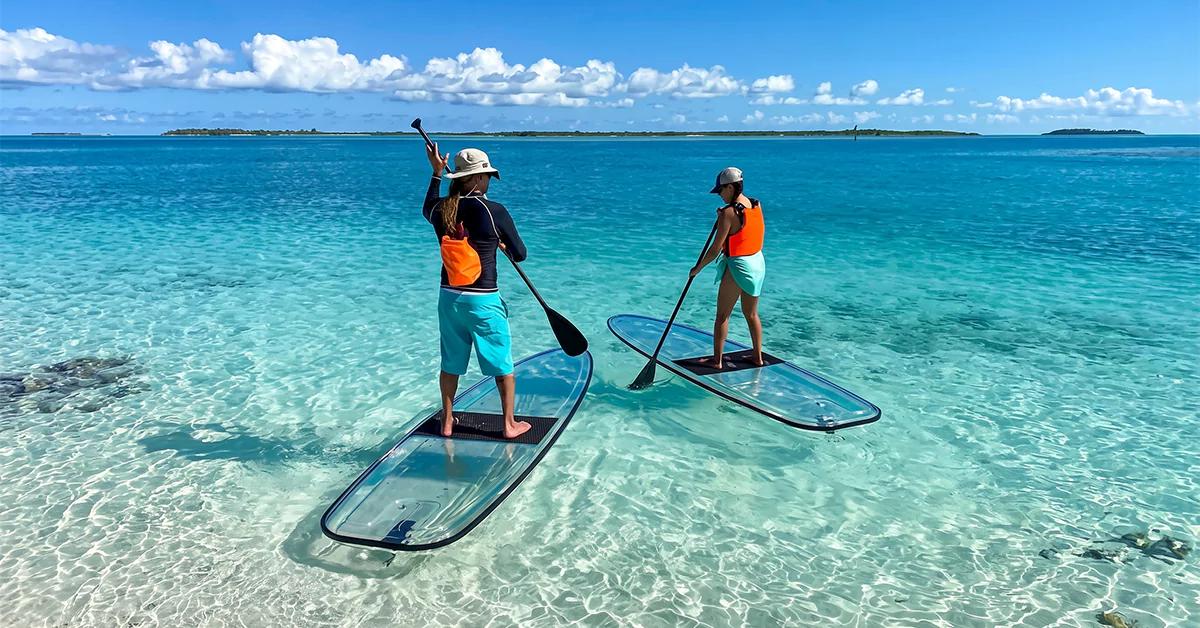
4. Inflatable Paddle Board (iSUP)
Traditional competitors: Epoxy/fiberglass or rotomolded plastic rigid paddle boards.
Inflatable advantages:
- Portability – Rolls into a backpack. Traditional SUPs require roof racks and large storage.
- Durability – Military-grade PVC drop-stitch construction is more impact-resistant than fiberglass (which cracks on rocks).
- Stability – Thicker profile (6” vs 4”) provides better primary stability for beginners, yoga, and fishing.
- Weight – 18–22 lbs vs. 30+ lbs for rigid boards – easier for customers to carry.
- Rental-friendly – You can ship 20 iSUPs in a single box. Store 50 boards in a closet. Traditional boards need a warehouse.
Market data: iSUPs now account for over 60% of paddle board sales globally. Rental operators prefer them because damage rates are 70% lower than rigid boards.
5. Water Inflatable Sports Court (e.g., floating volleyball, basketball, or pickleball)
Traditional competitors: Fixed courts on land, poolside, or large floating docks.
Inflatable advantages:
- On-water experience – The soft, bouncy surface adds a unique challenge and fun factor. Can’t replicate on concrete.
- No permanent footprint – Inflate for summer events, deflate after season. No permits for permanent water structures.
- Safety – Falling on inflatable PVC is like falling on a mattress. Hard courts cause bruises, scrapes, and fractures.
- Accessibility – Any lake, pond, or calm bay becomes a sports venue. Traditional courts require flat, drained land.
- Modular nets & boundaries – Velcro-attached nets and boundary lines adjust for different sports.
Commercial use: Water sports courts are huge hits at floating water parks, campgrounds, and music festivals. Charge per hour or include in all-day passes.
---
The PVC Advantage: Why Material Matters
All the products above rely on commercial-grade PVC (polyvinyl chloride) with features like:
- UV resistance – Won’t degrade in sun like vinyl from 10 years ago.
- RF welded seams – Stronger than glued seams; no leaks at high pressure.
- Drop-stitch technology (for paddle boards & sports courts) – Allows rock-hard rigidity when inflated.
- Flame-retardant & lead-free – Meets international safety standards (EN, ASTM).
- Easy repair – A patch kit fixes punctures in minutes. Fiberglass and wood require professional repairs.
Compared to traditional materials (wood, metal, fiberglass), PVC inflatables are lighter, cheaper, safer, and more versatile – ideal for commercial operators who need fast ROI and minimal headaches.
---
Overcoming Common Objections
“Aren’t inflatables easy to puncture?”
Modern commercial-grade PVC has puncture resistance comparable to thick rubber. With basic precautions (no sharp objects on board), a well-maintained inflatable water park lasts 3–5 seasons in commercial use.
“Do they require constant pumping?”
No. Once inflated and sealed, a quality product holds air for days or weeks. Small leaks are easily patched. The blower is only used during initial setup.
“What about wind and waves?”
These products are designed for calm inland waters (lakes, slow rivers, sheltered bays). Anchor systems with sandbags or screw anchors keep them in place. They are not intended for open ocean.
---
How to Start Your Inflatable Water Amusement Business
1. Choose your product mix – Start with a floating obstacle course + towable tubes + paddle boards for maximum appeal.
2. Secure a water location – Lakefront, beach, resort pool, or calm river. Ensure permits (usually easier than for permanent structures).
3. Purchase commercial-grade PVC products – Avoid cheap consumer inflatables; look for reinforced seams and UV protection.
4. Develop pricing & waivers – Hourly passes, group discounts, season passes. Use digital waivers for liability.
5. Market on social media – Post action videos of customers flipping, climbing, and laughing. User-generated content sells itself.
6. Hire seasonal staff – Lifeguards and attendants (minimal training vs. boat operators).
Estimated startup investment: A small floating water park + 10 paddle boards + 5 towable tubes + 2 cabanas can be under $30,000 – far less than a fixed dock system or a pool build.
---
Conclusion: Ride the Wave of Inflatable Water Amusement
The water recreation industry is evolving. Customers crave novel, safe, and shareable experiences – exactly what PVC inflatable water products deliver. Whether you’re a resort owner, lakefront entrepreneur, or event producer, floating inflatable water parks, towable tubes, floating cabanas, inflatable paddle boards, and water sports courts offer unmatched commercial advantages over traditional alternatives:
- ✅ Lower cost and faster ROI
- ✅ Portability and seasonal storage
- ✅ Superior safety and customer comfort
- ✅ Social media-ready fun
Don’t let heavy, expensive, permanent structures sink your business. Go inflatable, go flexible, and watch your revenue float higher than ever.
Ready to launch? Contact a commercial-grade PVC inflatable supplier today and request samples, customization quotes, and setup guides. Your floating water empire awaits.
---
Call to Action: Share this post with a fellow water business owner or leave a comment – what inflatable product are you most excited to try?